
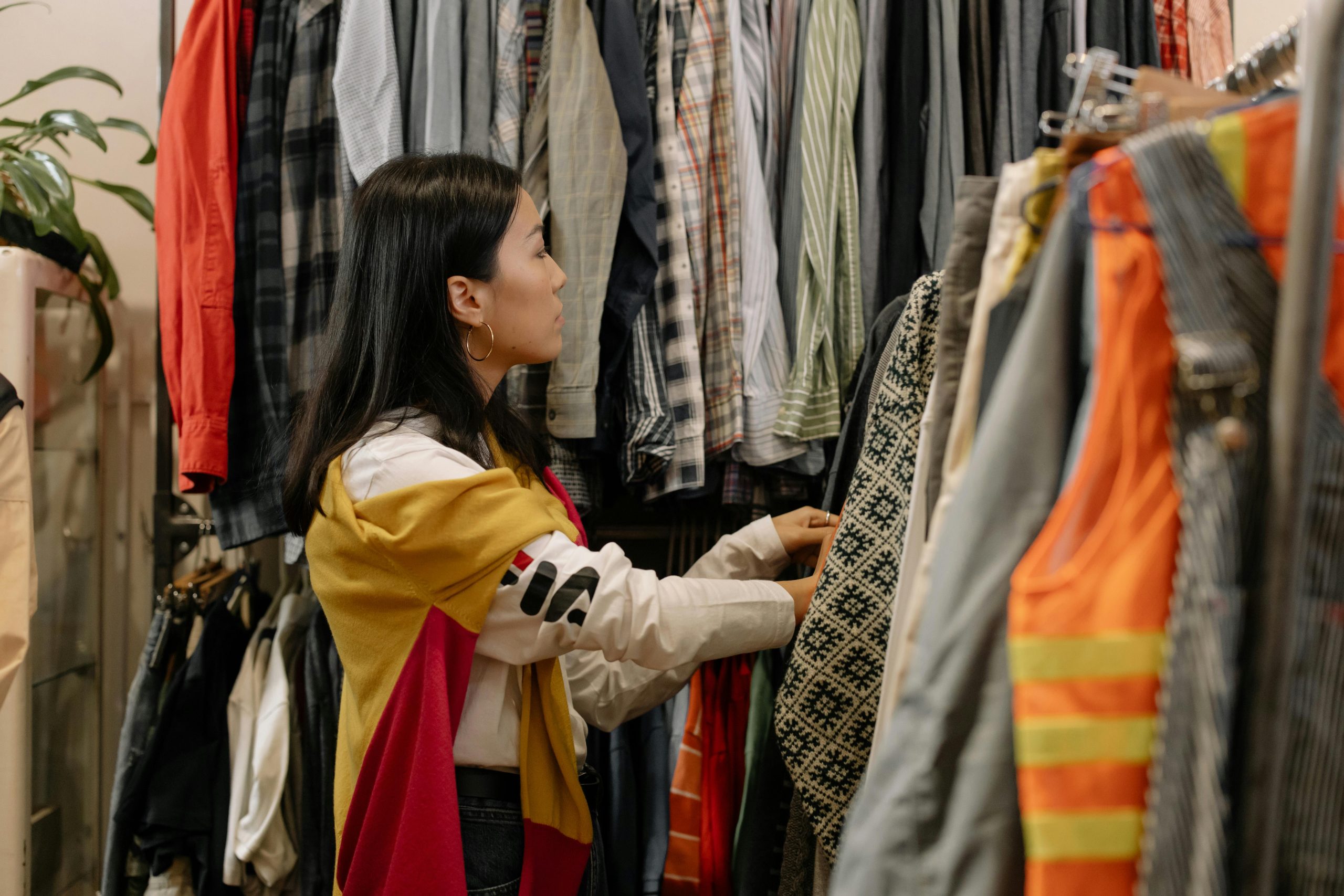
Sustainability in the Used Clothes Industry
The Environmental Cost of Fashion
The fashion industry is one of the largest polluters in the world, responsible for 10% of global carbon emissions and nearly 20% of global wastewater pollution. With the rise of fast fashion, clothes are produced faster and cheaper — but often at the expense of the environment.
Millions of garments are worn just a few times before being discarded, fueling the textile waste crisis. This is where the used clothes industry plays a crucial role in creating a more sustainable future.
What is the Used Clothes Industry?

used clothes bales in the warehouse
The used clothes industry is a global network that collects, sorts, grades, and resells pre-owned garments. From thrift stores and online resale platforms to wholesale exports, this sector gives clothes a second life. By doing so, it helps reduce the demand for newly manufactured garments and cuts down on waste.
4 Ways the Used Clothes Industry Supports Sustainability
Extending the Life Cycle of Clothing
Every pre-loved garment that finds a new owner is one less item sent to landfills. Extending clothing life by just nine months can reduce a garment’s carbon footprint by up to 30%.
Cutting Down on Textile Waste
In 2023 alone, over 92 million tons of textile waste were generated globally. By reselling and recycling clothes, the second-hand industry significantly diverts waste from landfills — especially in developing countries, where demand for affordable clothes is high.

secondhand clothes raw material
Lowering Fashion’s Carbon Footprint
The production of new clothing consumes vast amounts of water, energy, and chemicals. In contrast, used clothes require no new raw materials — saving resources and reducing pollution from manufacturing and transport.
Driving the Circular Fashion Economy
The second-hand industry supports a circular fashion economy, where clothes are used, reused, repaired, resold, and recycled — keeping them in circulation for as long as possible.
Economic & Social Sustainability Benefits

second-hand clothing store in a market.
Sustainability in the used clothes industry goes beyond environmental gains. This industry creates jobs — from collection and sorting to retail and export. In many developing nations, the second-hand trade supports small businesses and provides affordable clothing for low-income communities.
Shifting Consumer Attitudes
Younger generations, particularly millennials and Gen Z, are driving the shift toward sustainable fashion. More consumers now prioritize eco-friendly choices, including buying second-hand clothes. This trend has also fueled the rise of online thrift stores and resale platforms, blending sustainability with the convenience of e-commerce.
Challenges to Overcome
While the industry contributes to sustainability, challenges remain:
- Waste from low-grade textiles that cannot be resold.
- Lack of advanced textile recycling infrastructure.
- Regulatory barriers in some markets that limit the import of used clothing.
What’s Next for Sustainable Fashion?
- Technology Integration: AI-powered sorting systems to improve efficiency and reduce waste.
- Consumer Education: Campaigns to encourage responsible consumption and proper garment care.
- Collaboration Across the Supply Chain: From collectors and wholesalers to retailers and recyclers — building stronger sustainability partnerships will be essential.
Final Thoughts
The used clothes industry is not just about affordability — it’s a key solution for creating a more sustainable fashion future. By supporting circular fashion, reducing waste, and lowering the industry’s carbon footprint, second-hand clothes are proving that sustainability and style can go hand in hand.
Photo:cottonbro studio: https://www.pexels.com/zh-tw/photo/4721513/