
Introduction
Fast fashion has revolutionized the way people buy clothes, offering trendy and affordable styles at an unprecedented pace. However, beneath the convenience lies a significant environmental cost. The fast fashion industry is one of the biggest contributors to pollution, textile waste, and unethical labor practices.
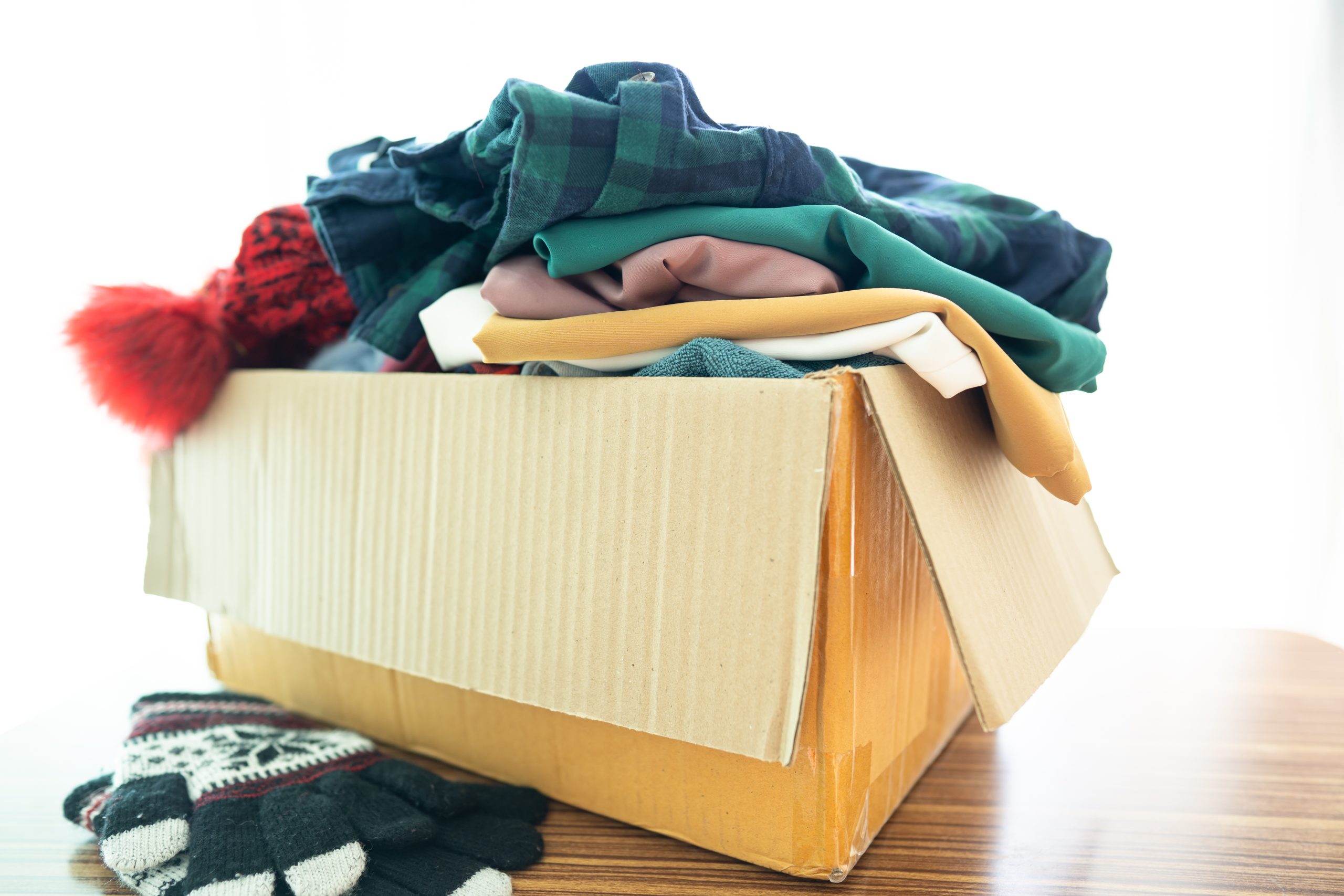
As awareness of these issues grows, many consumers are turning to secondhand clothing as a sustainable fashion alternative. Choosing used clothing not only reduces waste but also helps combat the environmental damage caused by fast fashion.
The Environmental Costs of Fast Fashion
1. Excessive Water Consumption
Producing new garments requires a staggering amount of water. For example, a single cotton t-shirt can consume up to 2,700 liters of water, while a pair of jeans can take 10,000 liters—enough to supply one person with drinking water for years.
The fashion industry is responsible for about 20% of global wastewater production, much of which contains harmful chemicals from dyes and textile treatments.
2. Textile Waste and Landfill Overflow
Fast fashion encourages a throwaway culture, with many clothes worn only a few times before being discarded. Every year, over 92 million tons of textile waste end up in landfills worldwide. Many of these materials take decades or even centuries to decompose, releasing methane and other harmful gases into the environment.
3. Carbon Footprint and Air Pollution
The fast fashion industry produces approximately 10% of global carbon emissions—more than all international flights and maritime shipping combined. The production, transportation, and disposal of cheap, mass-produced clothing contribute heavily to climate change.
Additionally, synthetic fabrics like polyester, which are widely used in fast fashion, release microplastics into the ocean every time they are washed, further polluting marine ecosystems.
How Secondhand Clothing Helps the Environment
1. Reduces Textile Waste
By purchasing secondhand clothing, consumers extend the life cycle of garments and keep them out of landfills. Buying used clothes significantly reduces the demand for new production, decreasing waste and lowering pollution levels.
2. Conserves Natural Resources
Reusing pre-owned clothing reduces the need for raw materials such as cotton, wool, and synthetic fibers. This, in turn, lowers the demand for water, pesticides, and chemical treatments used in textile production.
For example, if everyone bought just one used item instead of new this year, it could save nearly 6 billion pounds of carbon emissions—the equivalent of taking millions of cars off the road.
3. Lowers Carbon Emissions
Since bulk secondhand clothing is already produced, reselling and reusing it require minimal energy compared to manufacturing new garments. The used clothing business plays a crucial role in reducing fashion’s carbon footprint by promoting a circular economy.
4. Supports Sustainable Fashion
Thrift shopping, vintage fashion, and secondhand boutiques are now mainstream alternatives to fast fashion. Many secondhand apparel distributors and wholesale used clothing suppliers provide high-quality, fashionable options while promoting sustainability.
Consumers can now shop for stylish, affordable, and eco-friendly clothing without contributing to the harmful impacts of fast fashion.
The Future of Sustainable Fashion
With growing environmental concerns, secondhand clothing is no longer just an option—it is a necessity. Businesses and consumers alike must embrace wholesale secondhand clothing and recycled apparel as the future of fashion.
By choosing used clothes, individuals take a stand against fast fashion pollution, making a positive impact on the planet while still enjoying quality and style.
Conclusion: Making a Difference Through Secondhand Clothing
Fast fashion has undeniable environmental consequences, but the solution is within reach. Choosing secondhand clothing over new garments reduces waste, conserves natural resources, and minimizes carbon emissions.
Looking for a trusted secondhand clothing supplier?
We are a wholesale used clothing exporter committed to sustainable fashion. Contact us today for high-quality, sorted secondhand clothes and join the movement toward a greener future.