
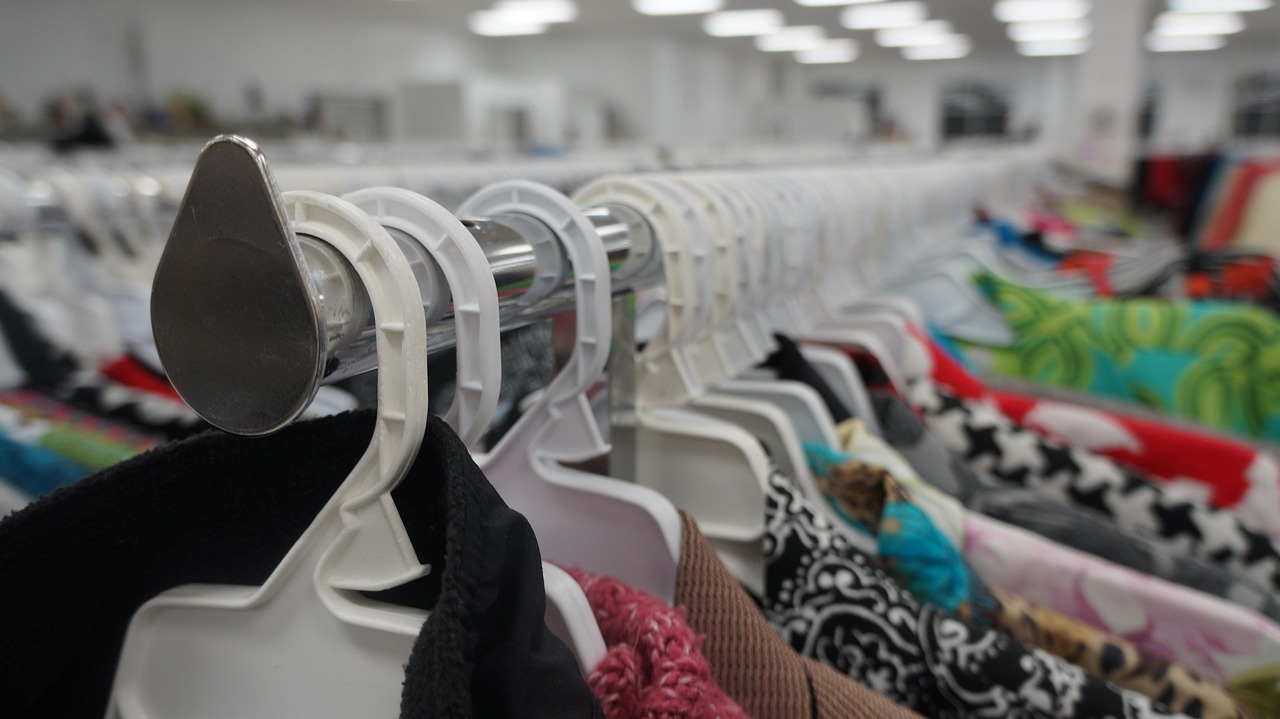
The used clothes market in the Philippines has become a significant part of the country’s affordable fashion industry, driven by growing consumer demand for budget-friendly apparel and rising awareness of sustainable fashion. As global trade in second-hand clothing expands, the Philippine market continues to play an important role in both importing and distributing pre-loved garments. This article explores the latest insights and trends shaping the used clothes industry in the Philippines.
The Popularity of Used Clothes in the Philippines
Locally known as “ukay-ukay,” the sale of second-hand clothes in the Philippines has a long history, dating back to the 1980s. Over the years, ukay-ukay stores have become fashion hubs for affordable clothing and even vintage finds. Shoppers from all income levels, from students to professionals, visit these stores to discover branded clothes, trendy outfits, and unique fashion pieces at a fraction of retail prices.
Affordability Drives Demand
The Philippine second-hand clothing market thrives because of its affordability. In a country where average incomes are modest, the option to buy high-quality used clothes for a low price appeals to millions. Imported used garments from countries like Taiwan, Japan, South Korea, and the United States are especially popular because they offer international fashion at highly competitive prices.
Global Supply Chain and Import Trends
The Philippines relies heavily on used clothes imports, making it a key player in the global second-hand clothing trade. Wholesalers and importers source bulk used clothes from exporting countries where excess clothing, thrift store donations, and consumer discards are sorted and graded for international resale.
Preferred Sources and Categories
In recent years, Philippine importers have shown growing interest in high-quality second-hand clothes from Taiwan due to the durability and quality of the garments. Popular categories include:
- Casual wear (T-shirts, jeans, shorts)
- Children’s clothing
- Branded fashion
- Bags and shoes
With e-commerce platforms gaining popularity, some importers also sell directly to consumers via social media, blending traditional wholesale with online retail trends.
Sustainability and Consumer Awareness
Globally, the push for sustainable fashion has positively impacted the Philippine used clothing industry. Many consumers, particularly younger shoppers, are increasingly aware of the environmental benefits of buying second-hand clothes. The circular fashion economy, where clothes are reused instead of discarded, aligns well with the economic and cultural habits of Filipinos who value practical spending.
Challenges in the Philippine Used Clothes Market
Regulatory Restrictions
One challenge facing the second-hand clothing industry in the Philippines is the country’s import regulations. Technically, the importation of used clothing for commercial purposes is restricted under the Republic Act No. 4653, which aims to protect the domestic textile industry. However, the reality is that the ukay-ukay market continues to flourish through evolving trade practices and policy interpretations.
Quality and Sorting Issues
As consumer expectations rise, the demand for well-sorted, high-quality used clothes also increases. Philippine wholesalers must work closely with reliable second-hand clothing suppliers to ensure they receive properly graded products, especially when catering to boutique ukay-ukay stores that focus on branded and nearly-new items.
Future Outlook: Trends to Watch
- Digital Transformation: More ukay-ukay businesses are shifting online, using Facebook Live, TikTok, and online marketplaces to reach wider audiences.
- Premium Segments: Growing interest in curated, branded, and premium second-hand clothes could create new business opportunities for wholesalers and retailers.
- Sustainability Focus: As eco-consciousness grows, second-hand clothes will continue to gain favor, especially among younger, environmentally-aware consumers.
- Diversified Product Lines: In addition to clothing, used bags, shoes, and accessories are becoming increasingly popular in ukay-ukay stores.
Conclusion
The Philippine used clothes market offers tremendous opportunities for wholesale exporters, local importers, and retailers alike. By understanding consumer demand, staying updated on import regulations, and embracing digital retail trends, businesses can thrive in this dynamic and growing industry. As more Filipinos recognize the benefits of affordable fashion and sustainable shopping, the future of second-hand clothing in the Philippines looks promising.