
Introduction
The secondhand clothing industry has evolved from being a necessity for low-income families to an essential part of sustainable fashion. What was once considered old and unwanted is now embraced as an eco-friendly and stylish choice. Over time, secondhand clothing has transitioned from simple hand-me-downs to a billion-dollar global market.

hand me down clothes
The Early Days: Clothing as a Luxury
Before mass production, clothing was a valuable commodity. Every garment was handmade, making fabric expensive and difficult to replace. Instead of discarding clothing, people reused, repurposed, and passed garments down through generations.
During medieval times, used clothing markets emerged in Europe. The wealthy often updated their wardrobes, selling or donating their garments, which were then resold to lower-income individuals. This practice laid the foundation for the secondhand clothing trade that still exists today.
The Industrial Revolution and the Growth of Used Clothing
With the Industrial Revolution, textile production became more efficient, making clothing more affordable. However, secondhand clothes remained an essential option for the working class.
In the 19th and early 20th centuries, bulk used clothing shipments began reaching different parts of the world. This period also saw the emergence of wholesale secondhand clothing businesses, which sourced garments from wealthier nations and exported them to countries with higher demand.
The 20th Century: Thrift Stores and Vintage Fashion
In the 1920s and 30s, thrift stores became popular as organizations like the Salvation Army and Goodwill sold donated clothes to help fund charity programs. During World War II, secondhand clothing was widely used due to fabric shortages.
The 1970s and 80s saw a shift in attitude toward vintage clothing. Fashion-conscious individuals started seeking unique, retro pieces, leading to a boom in secondhand apparel distributors and vintage boutiques.

antique secondhand stand
The 21st Century: Secondhand Clothing Goes Global
Today, the secondhand clothing industry is growing rapidly. The demand for sustainable fashion has increased as consumers prioritize eco-friendly choices over fast fashion.
Used clothing exporters from countries like Taiwan, the USA, and Europe now ship secondhand clothing bales to markets in Africa, Southeast Asia, and Latin America. These garments are resold in local markets, providing affordable clothing options and supporting small businesses. Meanwhile, online platforms like Depop, ThredUp, and Poshmark have made it easier for individuals to buy and sell pre-owned fashion worldwide.

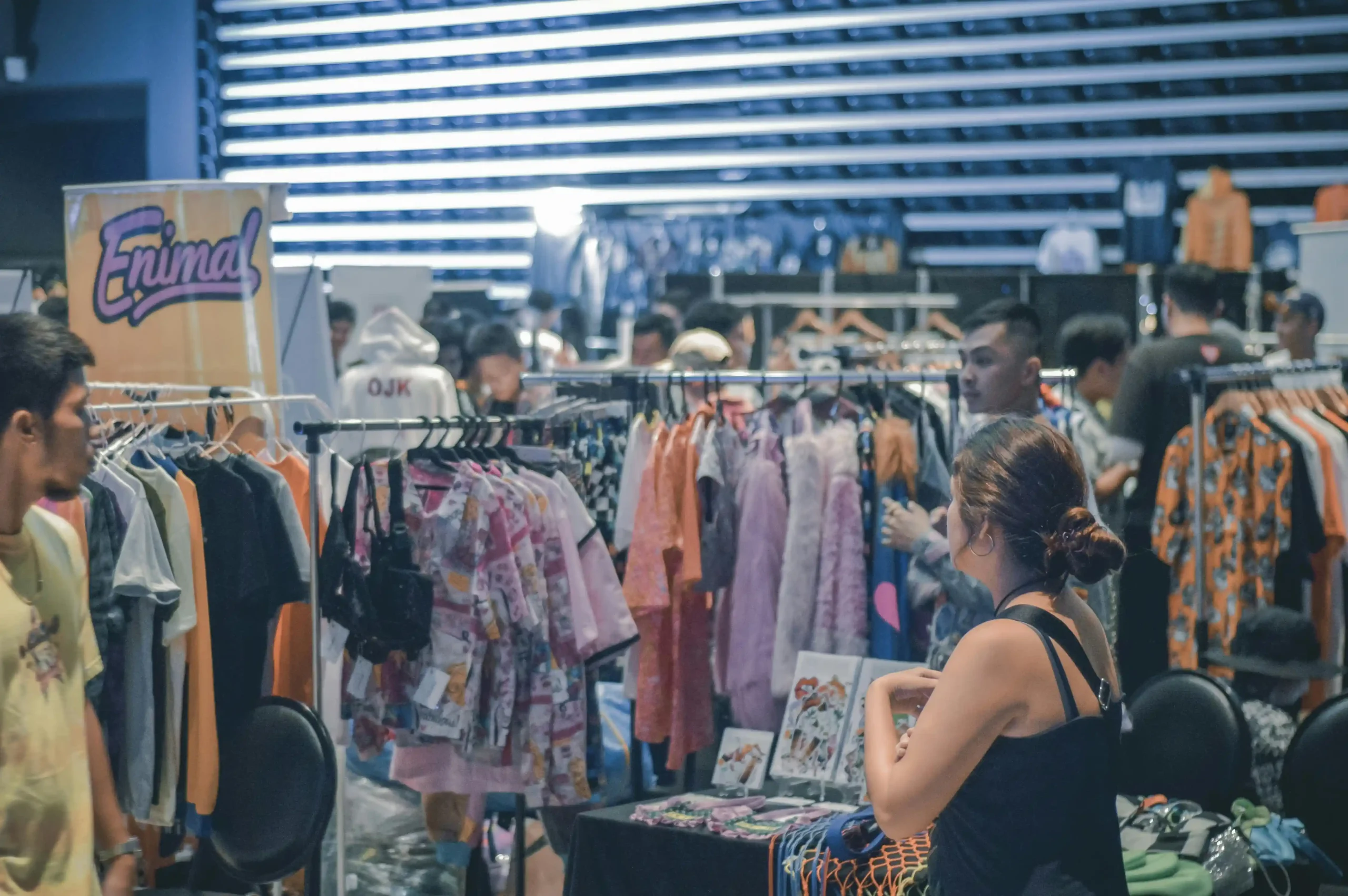
used clothes market
The Future of Secondhand Clothing
The rise of eco-friendly clothing recycling and sustainable fashion means the future of secondhand clothing is strong. Brands and retailers are launching re-commerce programs, allowing customers to return used clothes for resale or recycling.
As more people recognize the environmental and ethical benefits of buying wholesale used clothes, secondhand fashion is no longer just about affordability—it is a preferred choice for sustainability-conscious consumers.
Conclusion: Secondhand Clothing is Here to Stay
From medieval hand-me-downs to modern eco-conscious fashion, secondhand clothing has undergone an incredible transformation. Whether for affordability, sustainability, or unique style, the secondhand fashion movement continues to grow.
Are you looking for a reliable secondhand clothing supplier?
We are a trusted used clothing wholesaler, exporting bulk secondhand clothing worldwide. Contact us today for high-quality, sorted secondhand clothes.